Purpose of the Abandonment Narrative
If you never hear the story of YOU from your birthparents, then how can you ever believe what the orphanage told you? That "handwritten" letter you got? Was it really authentic or fabricated by the orphanage? That "finder" who found you? Did they ever exist?


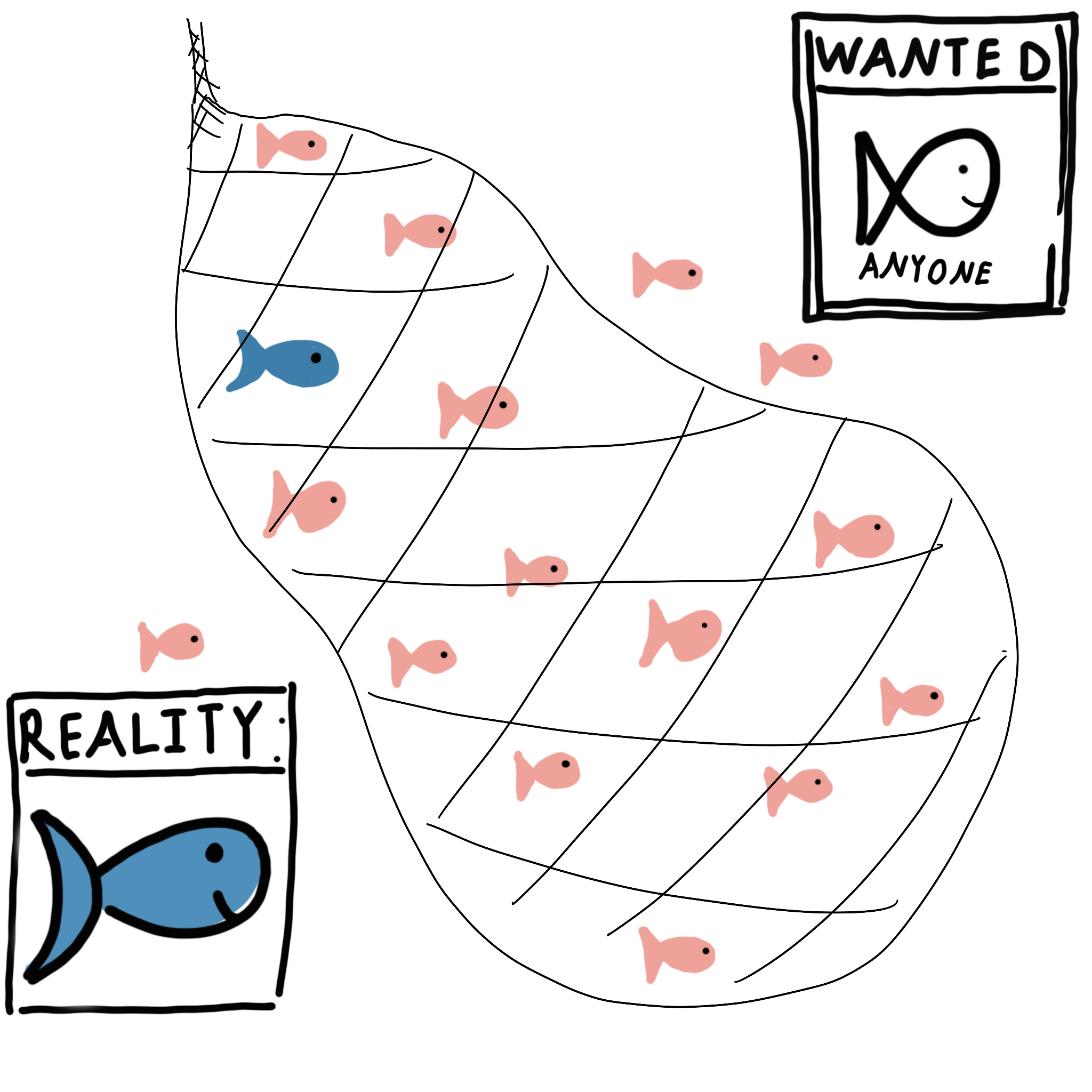
The story of the "abandoned baby due to the one child policy" was a well-crafted story to launder babies into becoming "orphans." Its purpose was to garner international sympathy for increased adoptions and to make it morally permissible and laudable for adoptive parents to adopt. If adoptive parents were told that birthparents were tricked into giving up their children, or even that the babies were kidnapped by police, or that the hospital sold infants to orphanages and lied to the birthparents that the baby had died in childbirth--then, fewer people would adopt.
As an adoptee, the "abandonment" story serves other unique functions. In some ways, it is the glue, the singular narrative, that holds the fabric of our Chinese adoptee community together, and when it begins to unravel, we are then confronted with an existential crisis. What was it all for? Why am I really here?
(1) Barring any forthcoming truth from my birthparents who I can't locate thanks to China's One Child Policy, this may be the very "best" story I get. It's the closest to an "official" account, even though it's most definitely falsified and my abandonment certificate fabricated. It's official and legal. It's just completely false. Of course, I would only know this for sure if I met my birthparents, but I think statistically, looking at the evidence and the numbers, and listening to actual people and not just the orphanage, this is the least accurate story of how I came to be here.

(2) It prevents people from harassing me about my adoptive family. If the working truth is that my birthparents abandoned me, then my adoptive parents look like heroes--even if they aren't trying to be. If the story changes to a more accurate story of abduction and trafficking, then my parents who I love become the villains. They may have unwittingly perpetuated a cycle that involved the trafficking and laundering of infants, mostly due to the non-stop, 24/7, panic-inducing news coverage on China's orphanages and orphans, but they still played a part. It's unforgiveable and completely accidental. Like falling asleep on the trigger and shooting someone. Oops.

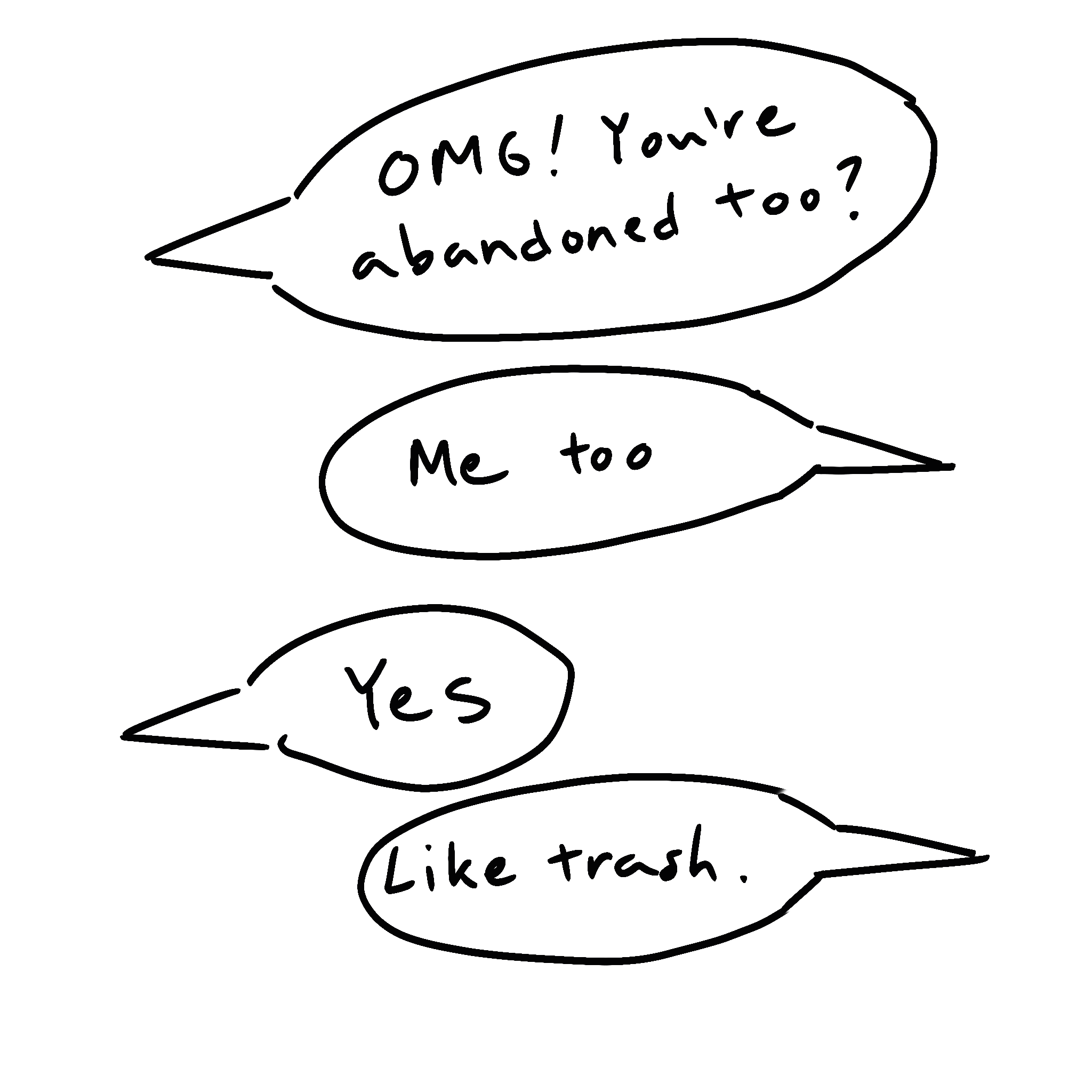
(3) It provides a tangible narrative for that feeling of abandonment. We may not have literally been abandoned, as if being forced to leave a baby counts as abandonment, but we may emotionally feel abandoned. Let down, betrayed, and disappointed in a world that seemed to wipe its hands of us at our very infancy. Maybe we were given to our grandparents to raise until the one child policy relaxed a bit and then someone turned them in (a common truth), but we still feel abandoned. This is the physical story that depicts that feeling of utter loneliness.

(4) It allows us to have an easy foothold as the Chinese Adoptee diaspora to connect. We were all given this abandonment story. Every single one of us. (That's pretty suspicious to anyone who studies statistics, but at the time, it just seemed natural.) Even if we can't connect with each other, or even like each other, there's a mutual understanding that we were all thrown out. That seems awfully unfair to say, given that conversations with birthmothers reveal how they were manipulated, lied to, and even forced to relinquish their babies, but emotionally, yes, I feel extremely abandoned and maybe you do too.
Comments
Post a Comment